

Beauregard's Tailor
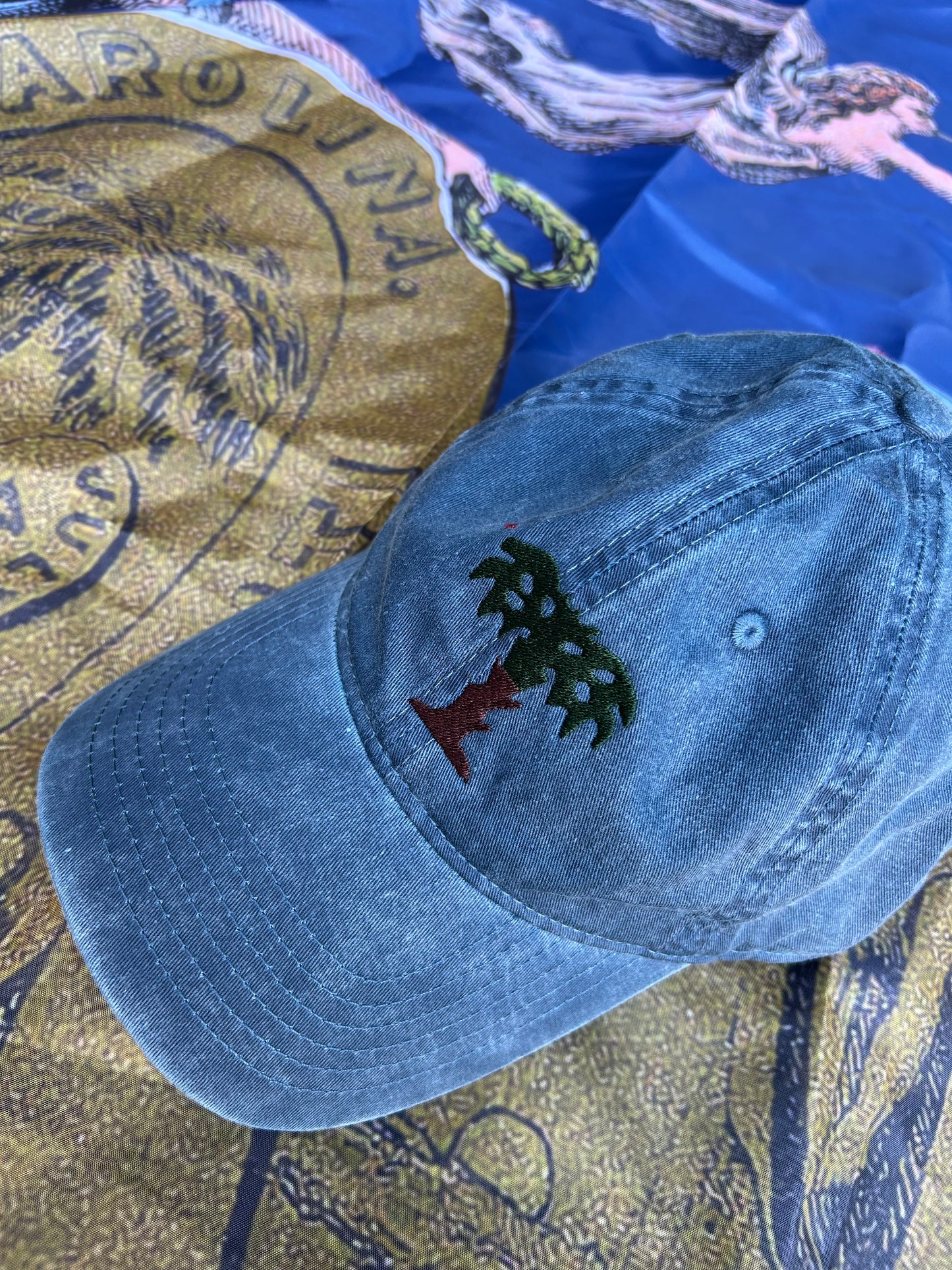
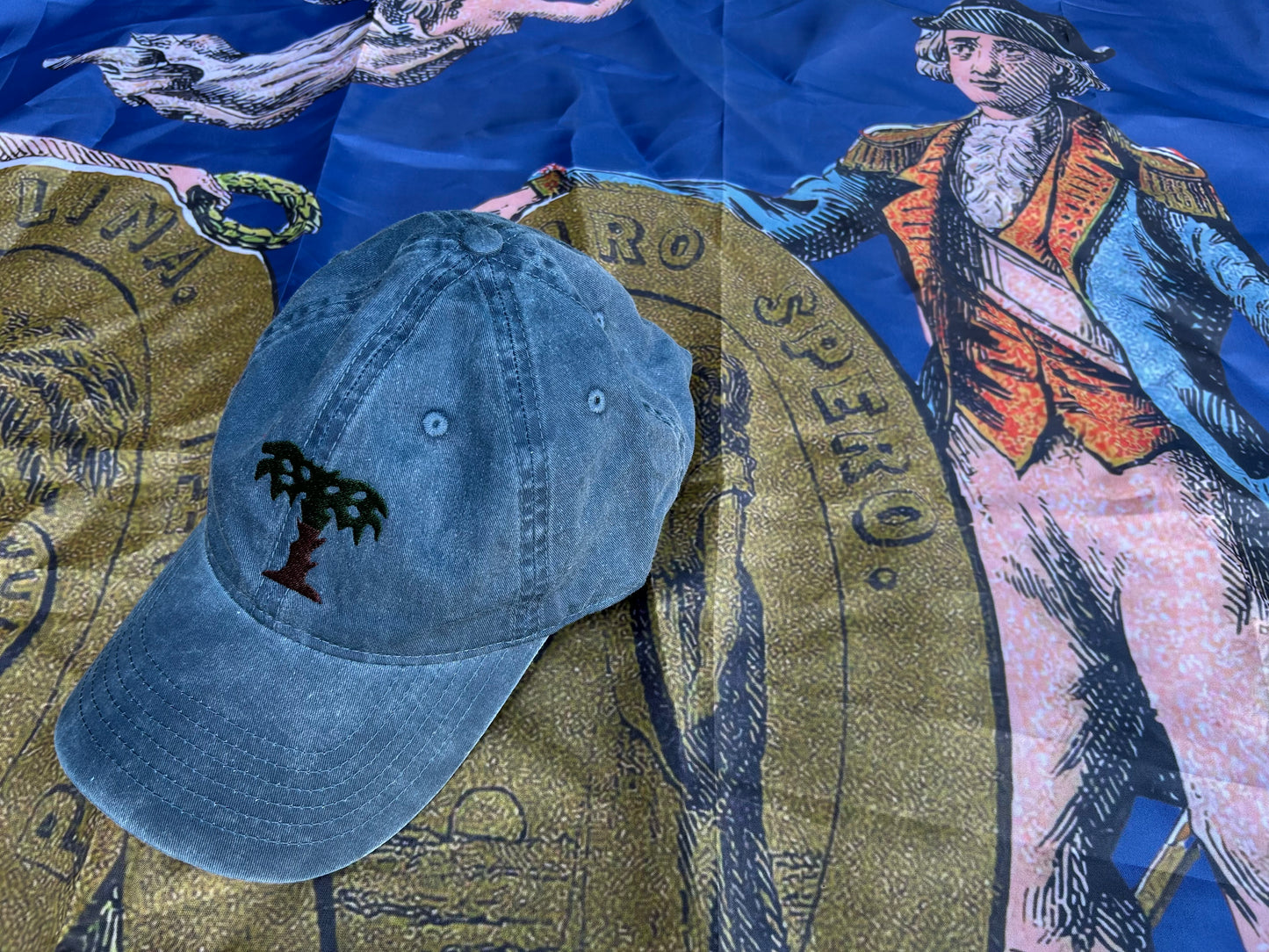
Palmetto Guards Cap
Palmetto Guards Cap
Couldn't load pickup availability
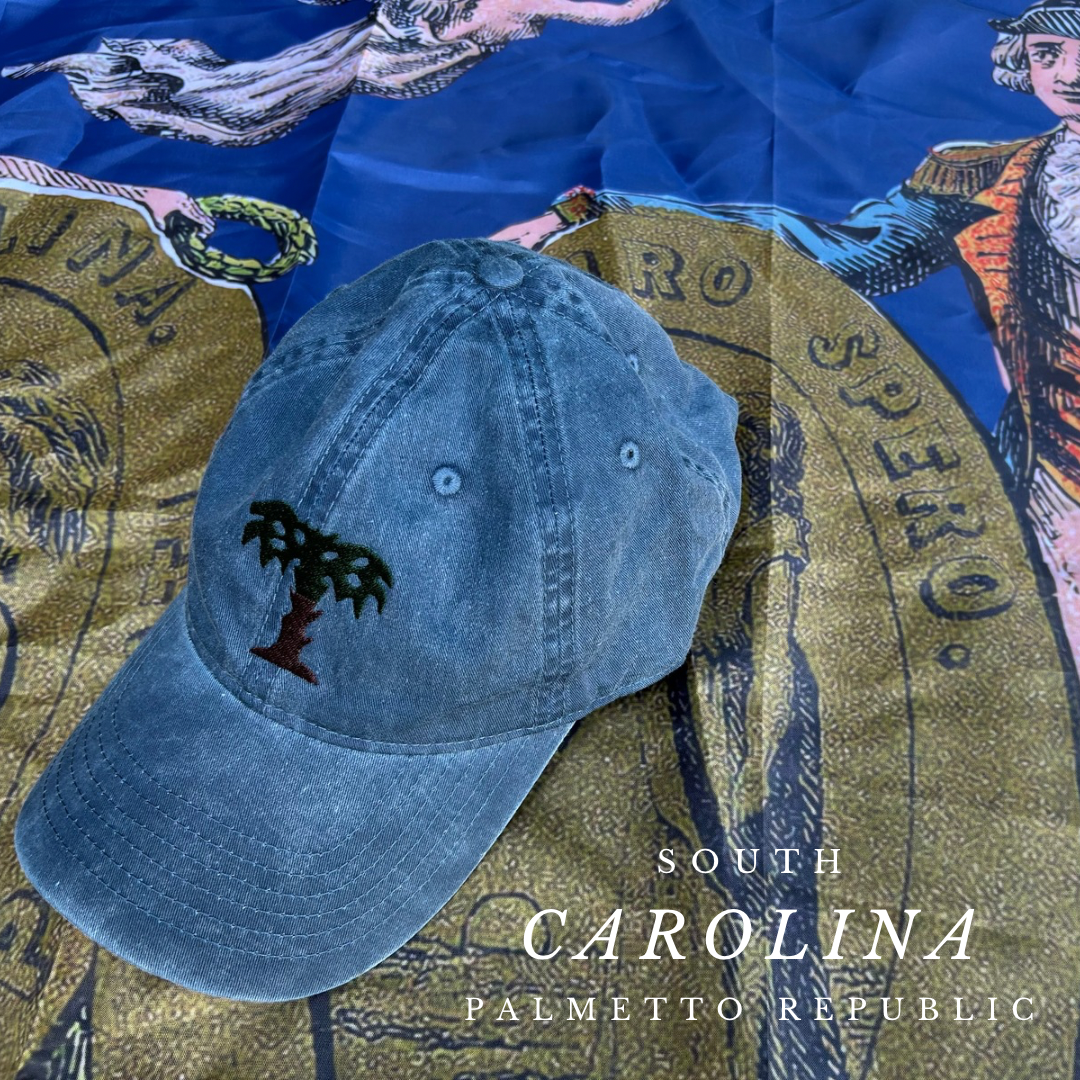
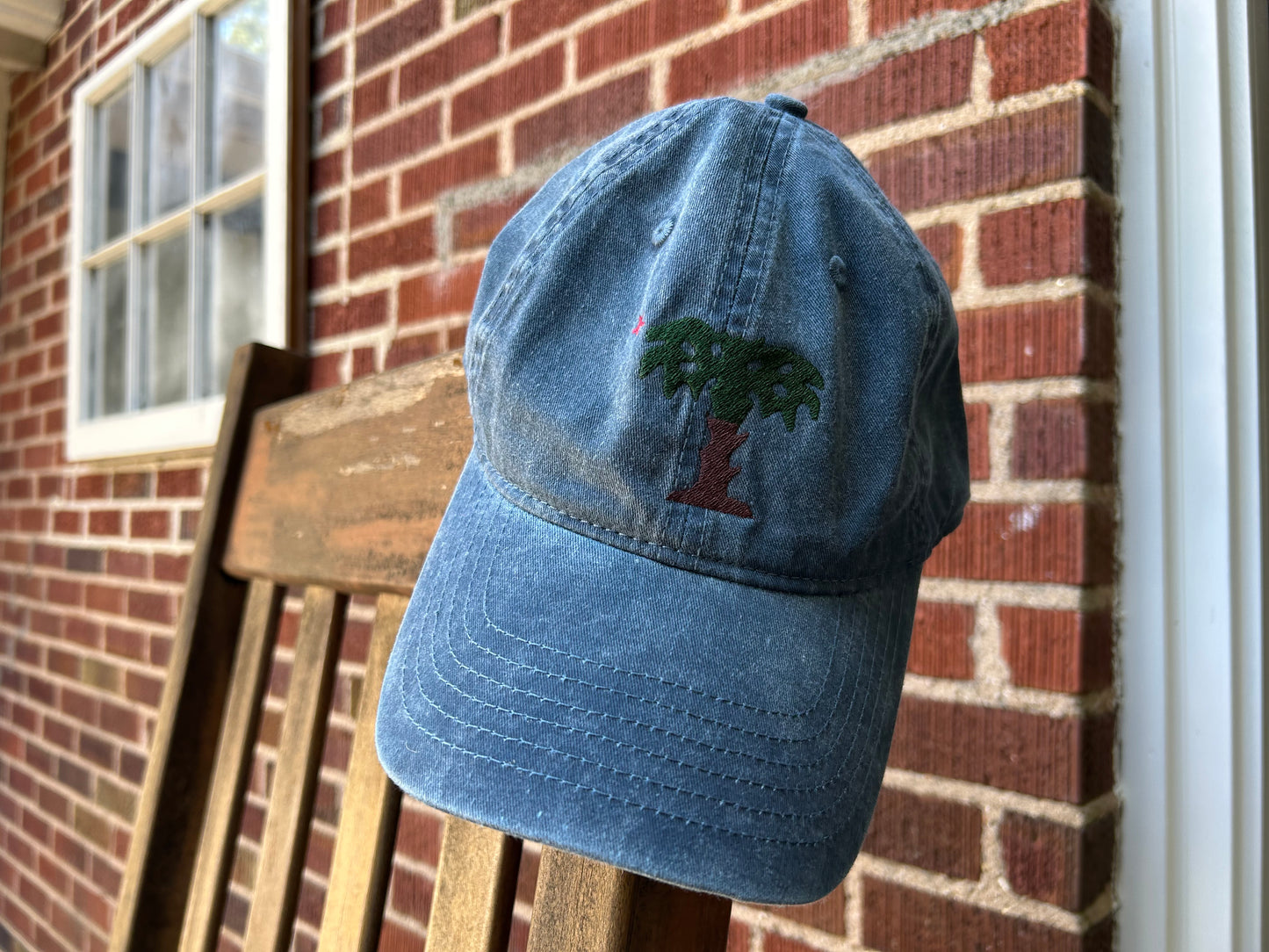
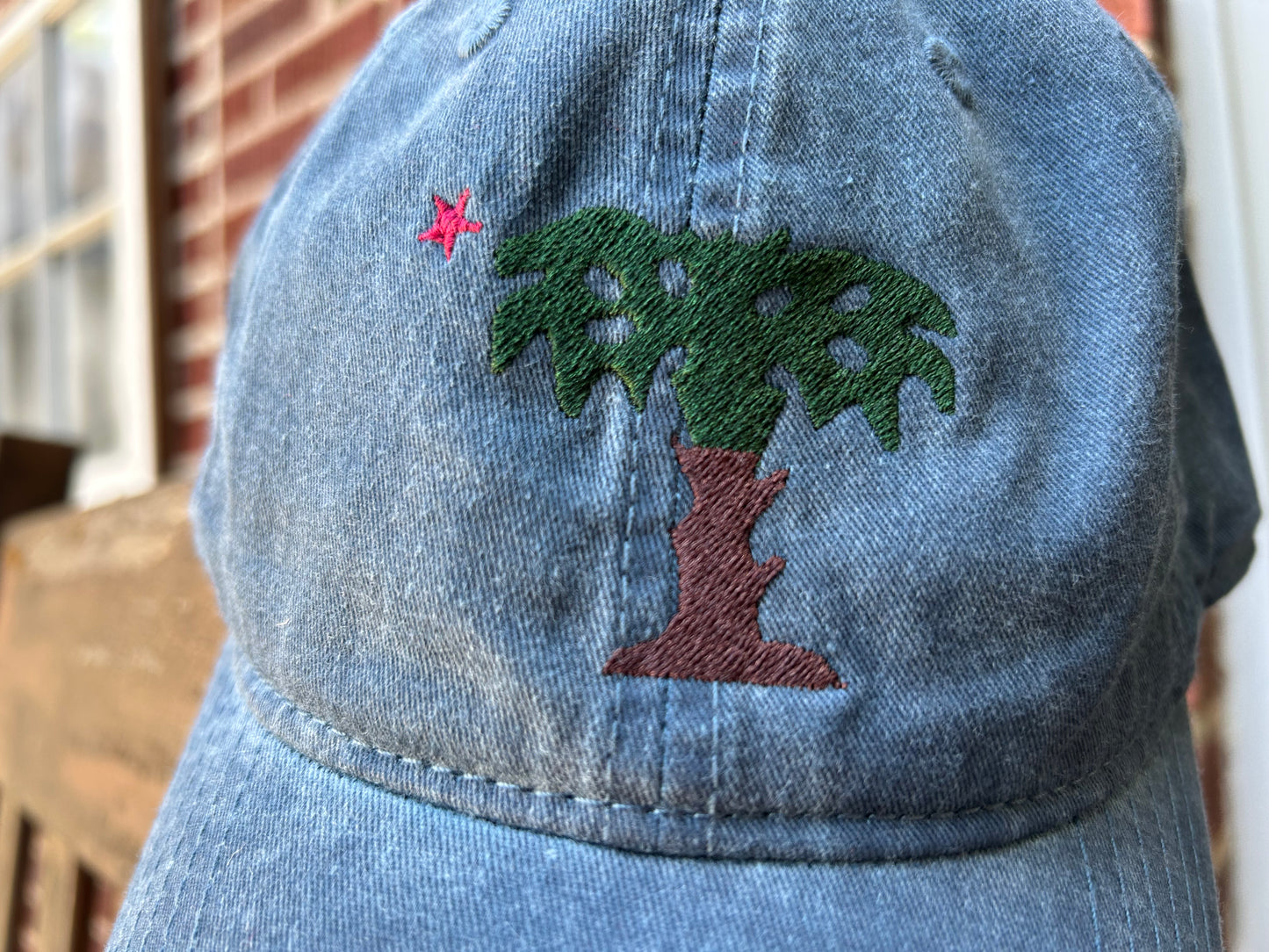
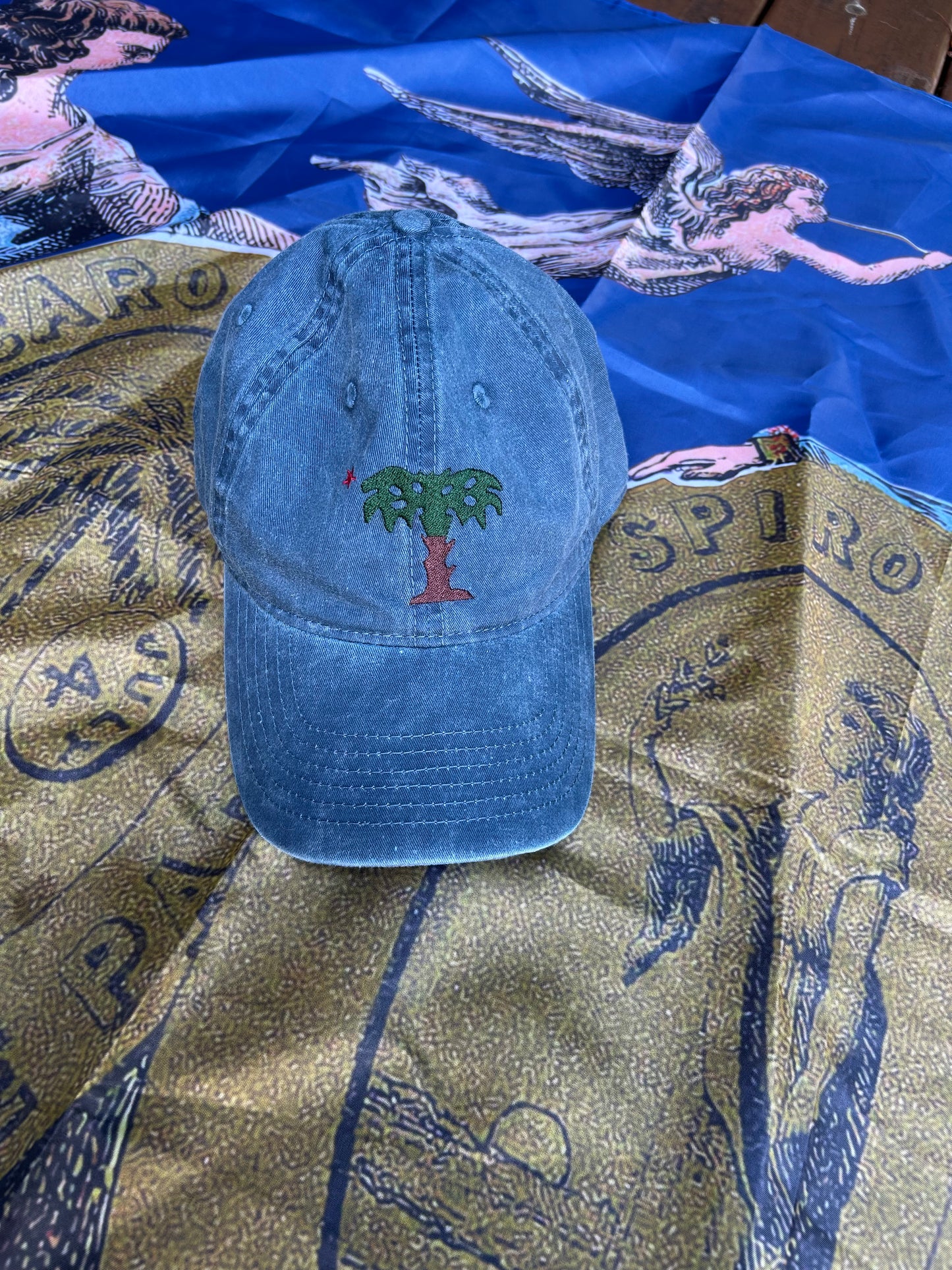
Design is based on the flag of the Palmetto Guards.
The "Lone Star and Palmetto" flag created a stir in New York harbor in late November 1860. At that time it was flying from the masthead of the Palmetto Line brig John H.
Jones. Reports vary regarding reaction to the flag. One story says that a New York gentleman "politely questioned" Capt. Charles E. Mills about the flag, while other stories say that the ship was "mobbed" by irate citizens. No matter what the reaction of the northern public was, the response of Capt. Mills was clear. The flag would remain in its place of prominence on the ship. It actually was brought down at sometime during the ship's stay in New York, during which time a red star was painted in the top left corner, a star representing the Republic of South Carolina. It was then returned to its position atop the mast.
Captain Mills was given a hero's welcome when he returned to South Carolina. For his obstinate bravery, he was presented a beautiful, gold-headed cane upon which was inscribed, "Presented to Chas. E. Mills, By his Charleston Friends, Dec. 21st, 1860." In return for his involvement in this presentation, John S. Bird, a military goods dealer and member of the Palmet to Guard, was given the flag flown by Mills in New York. Private Bird carried the flag as an unofficial company flag of the Palmetto Guard beginning at that time.
On December 30, 1860, when South Carolina troops occupied the Charleston Arsenal, Pvt. Bird's flag was run up the flagstaff On January 9, 1861, the unit was transferred to Morris Island and the flag was flown from the old Charleston Lighthouse. Or March 11, the Palmetto Guard was ordered to Cummings Point and established camp near Stevens' Iron Battery. Pvt. Bird's flag flew over this camp where the soldiers were retrained as artillerymen.
During the bombardment of Fort Sumter, Bird's flag was being raised on the Iron Battery when the first shot from Sumter was fired and passed within a few feet of the staff.
With Major Anderson's surrender of the fort, Morris Island commander Brig. Gen. James Simons requested the use of Bird's flag for identification to meet "Union States barges" approaching from the island. The flag was then returned to Bird.
The Palmetto Guard was designated by General Beauregard as one of the units to occupy Fort Sumter. They boarded the steamer Excel for Sumter, where they were positioned on the granite wharf to prevent civilian sightseers from interfering with the forthcoming surrender ceremony. Upon landing, Private Bird was stationed near the sally port. After being relieved from his post, he secured a pole from the Excel and attached the flag. When the last Federal exited the fort and boarded a steam-er, Bird raced into the fort, up a stairway, and planted the flag on the left flank parapet, making this flag the first Southern flag to fly over Fort Sumter.
On April 15, the Palmetto Guard was ordered back to Morris Island. In late April, the company was assigned to the 2nd Regiment S.C. Infantry as Company I. From Charleston the regiment went to Virginia, where the flag was carried into battle as the regiment fought at Ist Manassas.
In 1861, Bird was discharged for physical disability and went home with the flag. Bird carried the flag at the 1899 UCV reunion in Charleston. He died in 1906 with the family keeping the flag, until his grandson, John Styles Ashe, donated it to Fort Sumter NM in 1979.
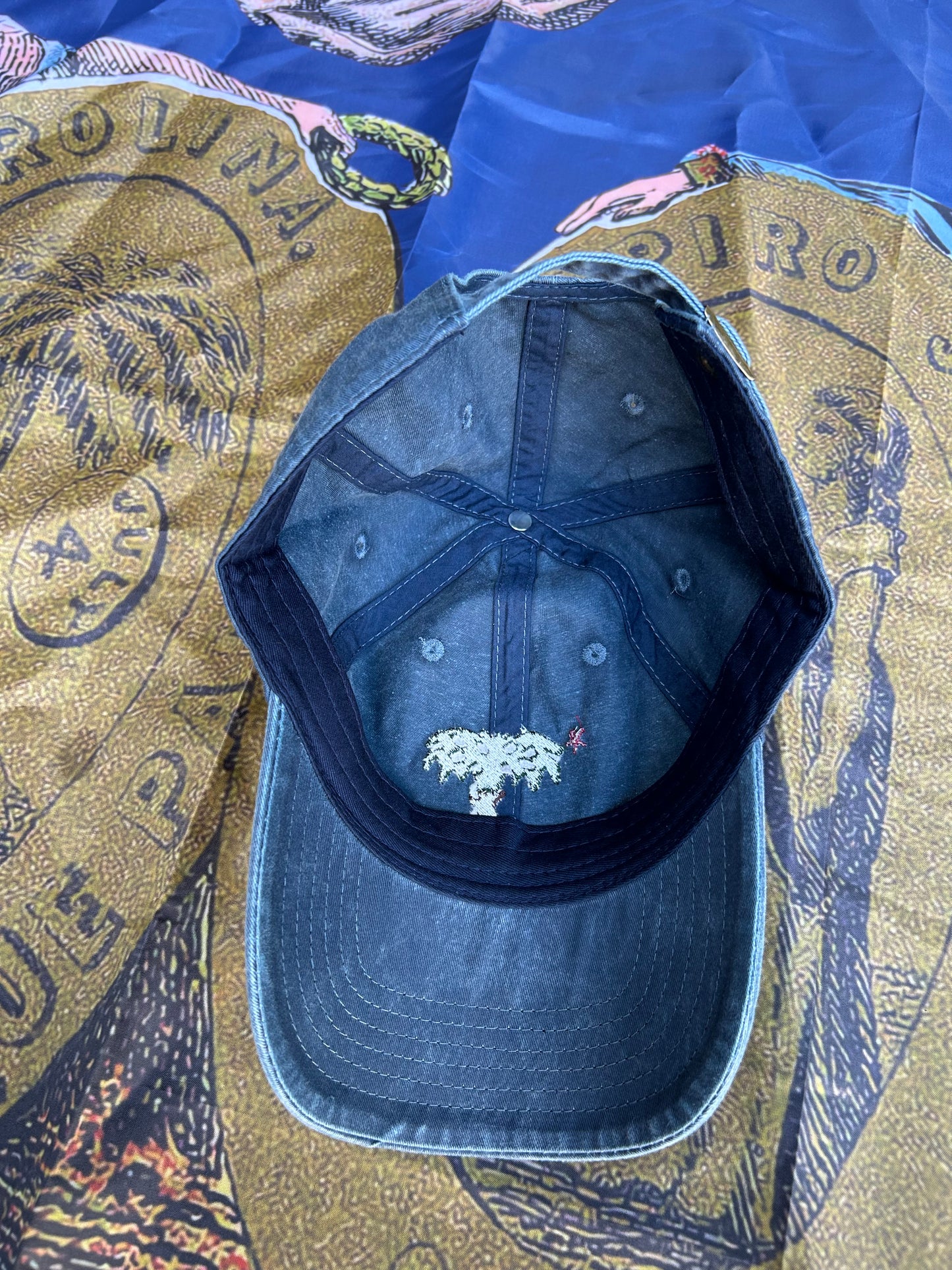
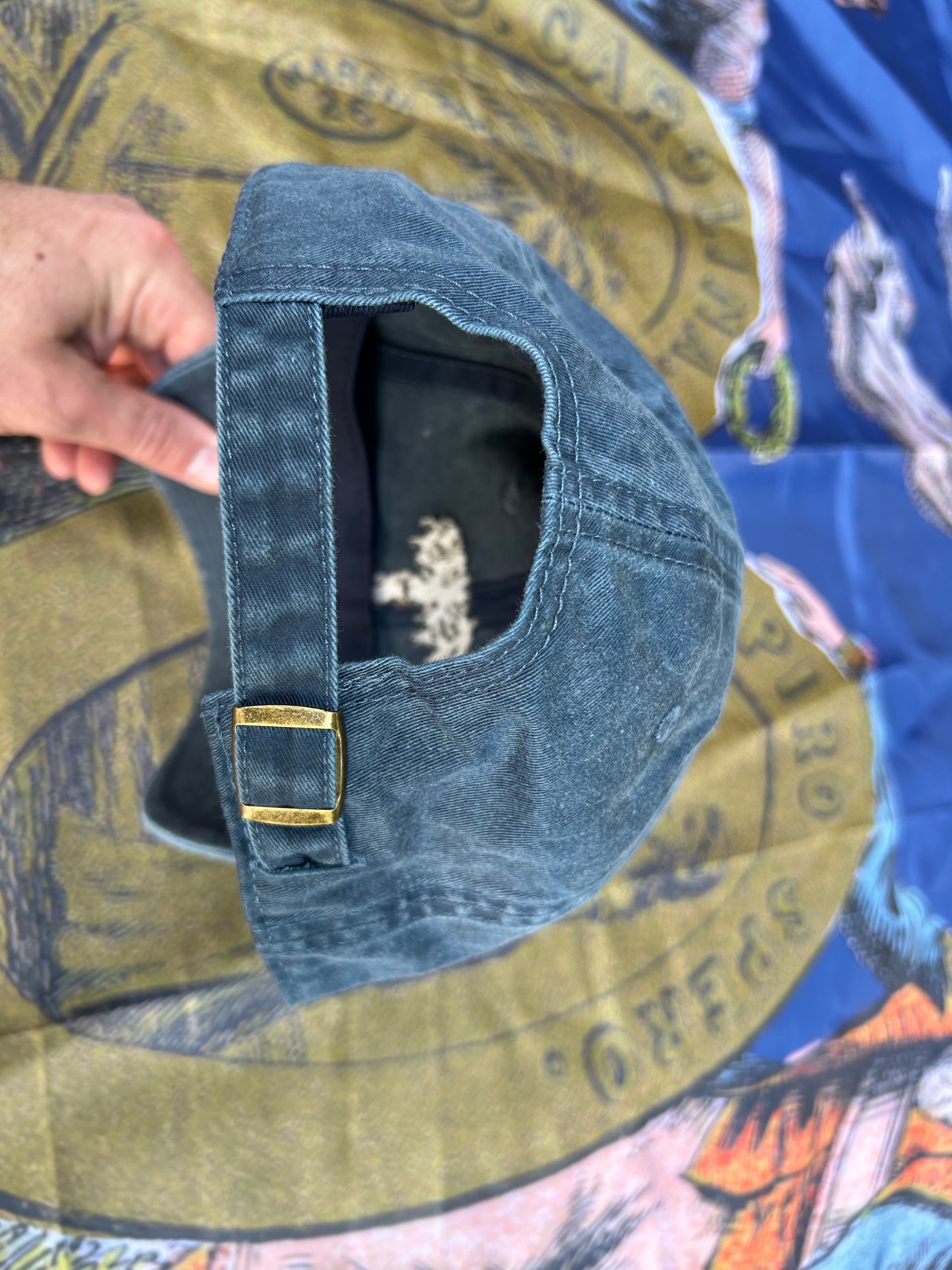
Caps custom made with embroidery of Beauregard's Tailor's custom historical designs. Features include adjustable buckle back, 100% cotton materials, embroidered in North Carolina.
Share